A strong treatment plan matters. So does a licensed clinical team and a trauma-informed program. But no program, however well-designed, operates in a vacuum. And the young people it serves don’t heal in one either.
This is where community support in residential care comes in. Donors, volunteers, mentors, and local partners all play a real, measurable role in how far a young person’s progress can go.
Why Isolation Makes Community Support in Residential Care So Important
Trauma often leaves a quiet mark: isolation. A young person who has moved between placements, lost relationships repeatedly, or spent years feeling unseen inside a system often carries deep disconnection from the world outside the program walls.
Community engagement is one of the few things that directly counters that. In fact, research has documented consistent links between strong community support networks and measurable improvements in youth mental health and academic performance. This isn’t a replacement for clinical treatment it works alongside it.
What Community Support in Residential Care Actually Looks Like
It doesn’t have to be dramatic to matter. Because consistency is what counts, some of the most meaningful contributions are also the simplest:
- A local group that shows up regularly to share a meal
- A volunteer who leads a weekly activity
- A business that donates supplies
- A mentor who shows up on the same day every week, for a year or more
What makes these contributions valuable isn’t their scale. It’s their reliability, and the message they send to a young person who may not be used to people showing up consistently: you’re worth the effort.
How Financial Support Extends What’s Clinically Possible
Donor support funds something a treatment plan alone can’t reach the parts of a young person’s development that sit outside strict clinical necessity, but matter enormously to how he experiences his time in care.
Consider a few examples:
- Employment training programs that teach real job skills
- Birthday celebrations and small moments of normalcy
- Enrichment activities that let a young person just be a kid, or an emerging adult exploring interests
These aren’t extras. As a result, they’re often what a young person remembers most and what helps him imagine a version of life outside the program worth working toward.
Why Volunteers Fill a Gap Clinical Staff Can’t
Clinical staff are essential. Even so, they can’t be everything to every young person, and they shouldn’t have to be.
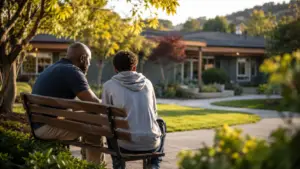
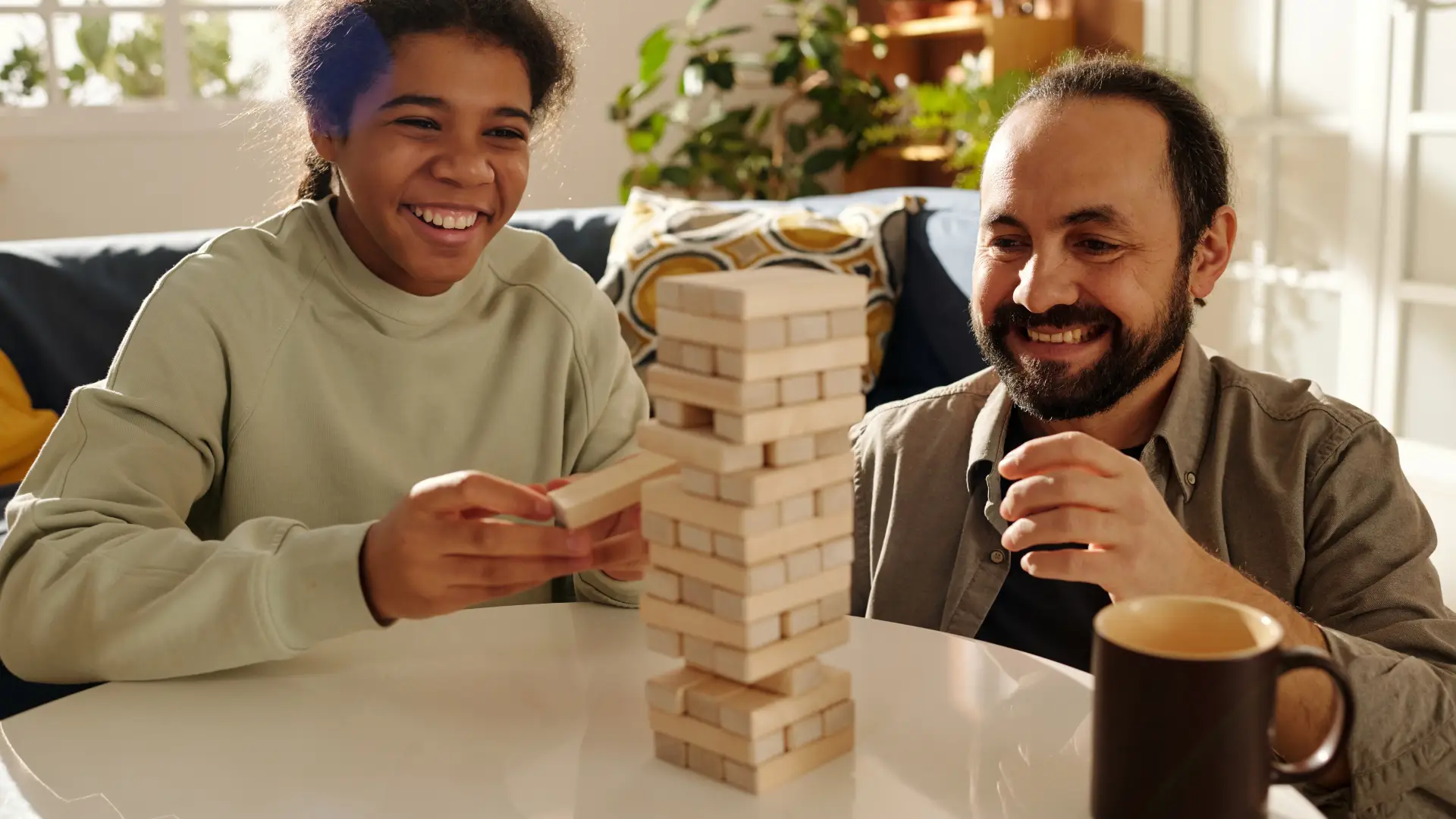
Volunteers and community mentors offer something structurally different: a relationship that isn’t clinical, isn’t evaluative, and exists for its own sake. For a young person who has spent much of his life being assessed, diagnosed, or managed by professionals, a volunteer who simply shows up to talk, play a game, or share a skill can feel like one of the few relationships that isn’t about fixing something.
How Community Partnerships Multiply What a Program Can Offer
No single organization has every resource a young person needs. That’s why partnerships with local businesses, faith communities, schools, and other nonprofits matter they let programs offer things otherwise out of reach, such as job shadowing, tutoring, transportation, and specialized enrichment.
These partnerships also do something less tangible, but just as important. They connect a young person to the actual community he’ll eventually rejoin, rather than keeping his world limited to the program itself.
Why This Matters for Reunification and Long-Term Success
A young person’s success doesn’t end at program completion. Instead, it depends heavily on what kind of community he’s stepping back into.
Programs that build genuine community relationships during treatment are, in effect, building the support network a young person will need after he leaves. A mentor who stays in touch. A job connection made through a community partner. A sense that people beyond his family and treatment team are invested in his success. Together, that web of relationships often makes the difference between a stable transition and a return to crisis.
An Invitation, Not Just an Appeal
None of this happens automatically. It requires people and organizations outside the walls of a program to decide that this work matters enough to show up for with time, with resources, with consistency.
Every volunteer shift, every donation, and every community partnership is a direct investment in a young person’s chance at a different outcome than the one his circumstances might otherwise predict.
Humanistic Foundation Incorporated relies on community volunteers, donors, and partners to extend the impact of our clinical programs. Learn how to volunteer, partner with us, or donate today.